
What Truly Makes a Bali Spa Unique
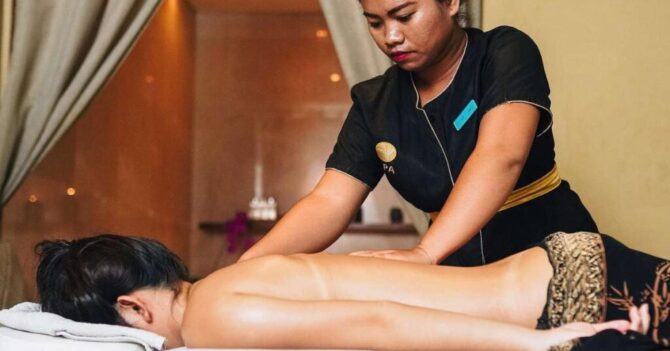
Bali is known for many things its lush rice fields, sacred temples, world-class surf breaks, and warm-hearted people. Yet, among its many attractions, one experience that consistently captures the hearts of visitors is the island’s spa culture.
Far from being just another indulgent escape, a Bali spa experience offers a unique blend of healing, tradition, and sensory delight that sets it apart from spa treatments found elsewhere in the world. But what exactly makes a Balinese spa stand out?
1. Deep Roots in Tradition and Culture
Unlike generic spas that may feel clinical or overly commercialized, Balinese spas are steeped in cultural heritage. Treatments are often inspired by age-old rituals passed down through generations, with a strong emphasis on holistic healing. The well-known Balinese massage, for instance, combines gentle stretches, acupressure, reflexology, and aromatherapy to stimulate blood flow, relax muscles, and restore balance to the body and mind.
Another traditional treatment is the “boreh” body wrap, which uses a paste made of ground spices such as ginger, turmeric, and cloves. Originally used by Balinese farmers to warm their bodies after working in the rain, boreh is now a revitalizing spa staple. Lulur body scrubs, a tradition borrowed from Javanese royalty, use turmeric, rice powder, and sandalwood to exfoliate and rejuvenate the skin.
2. Use of Natural, Local Ingredients
Bali spa often emphasize the use of locally sourced, natural ingredients. From virgin coconut oil and tropical flowers to volcanic clay and aromatic herbs, the focus is on using nature’s bounty to heal and nourish. These ingredients are not only chosen for their effectiveness but also for their cultural and symbolic significance.
For example, frangipani and jasmine flowers—often used in oils or as part of a floral bath—carry spiritual meaning in Balinese Hinduism and are believed to promote peace and beauty. Coconut oil, a common base for massage, is praised for its moisturizing and antimicrobial properties.
3. Stunning Natural Settings
Spas in Bali are mostly located in stunning areas. Imagine receiving a massage in an open-air pavilion overlooking a jungle valley in Ubud, or soaking in a flower bath on a cliffside spa with panoramic views of the Indian Ocean. Whether nestled among rice terraces, perched by a waterfall, or tucked away in a beachfront retreat, the natural beauty of Bali enhances the therapeutic effect of every treatment.
The architecture of spa buildings often blends seamlessly into the environment, with materials like bamboo, stone, and teak wood creating a sense of harmony with nature. Open spaces, soft lighting, and tranquil water features are common design elements that add to the calming atmosphere.
4. A Spiritual Dimension
In Bali, wellness is not merely physical—it is also spiritual. Many spa experiences incorporate aspects of Balinese Hindu philosophy, especially the concept of Tri Hita Karana, which refers to the harmony between humans, nature, and the divine. This principle influences everything from the spa’s setting to the service mentality of the therapists.
Some spas even offer blessing rituals or purification ceremonies, such as melukat, a traditional water cleansing ritual conducted by a Balinese priest. These spiritual elements can provide a profound sense of emotional and energetic release, making the spa visit feel like a sacred personal journey rather than just a luxury escape.
5. Warm and Personalized Service
What truly elevates a Balinese spa experience is the genuine warmth and hospitality of the therapists and staff. Service in Bali is renowned for being attentive, gentle, and heartfelt.
Guests are welcomed with herbal teas, cool towels, and sometimes even short foot rituals before the main treatment begins. Therapists are usually highly intuitive and make adjustments based on your preferences, ensuring that every guest feels seen and valued.
6. Fusion of Ancient Wisdom and Modern Innovation
While Balinese spas maintain a strong connection to tradition, they are not afraid to innovate. Many high-end spa resorts offer cutting-edge wellness treatments, like cryotherapy, infrared saunas, or IV therapy, alongside traditional massages and scrubs. This blend of the ancient and the modern caters to a wide range of preferences, attracting both spiritual seekers and wellness enthusiasts looking for scientific rejuvenation.
Some spas also offer customizable wellness retreats, where guests can enjoy multi-day programs that include detox diets, mindfulness coaching, fitness training, and personalized spa therapies all within a setting that reflects Bali’s serene energy.
In Bali, a spa is not just a place, it’s a sacred space where the body is nurtured, the mind is calmed, and the spirit is uplifted. By blending traditional healing practices, natural ingredients, and heartfelt service, Balinese spas deliver an experience that is both luxurious and meaningful.
Whether you are seeking relief from physical tension, emotional stress, or simply looking to reconnect with yourself, a visit to a Bali spa can be a transformative journey, one that leaves you not only refreshed, but also renewed in the deepest sense of the word.